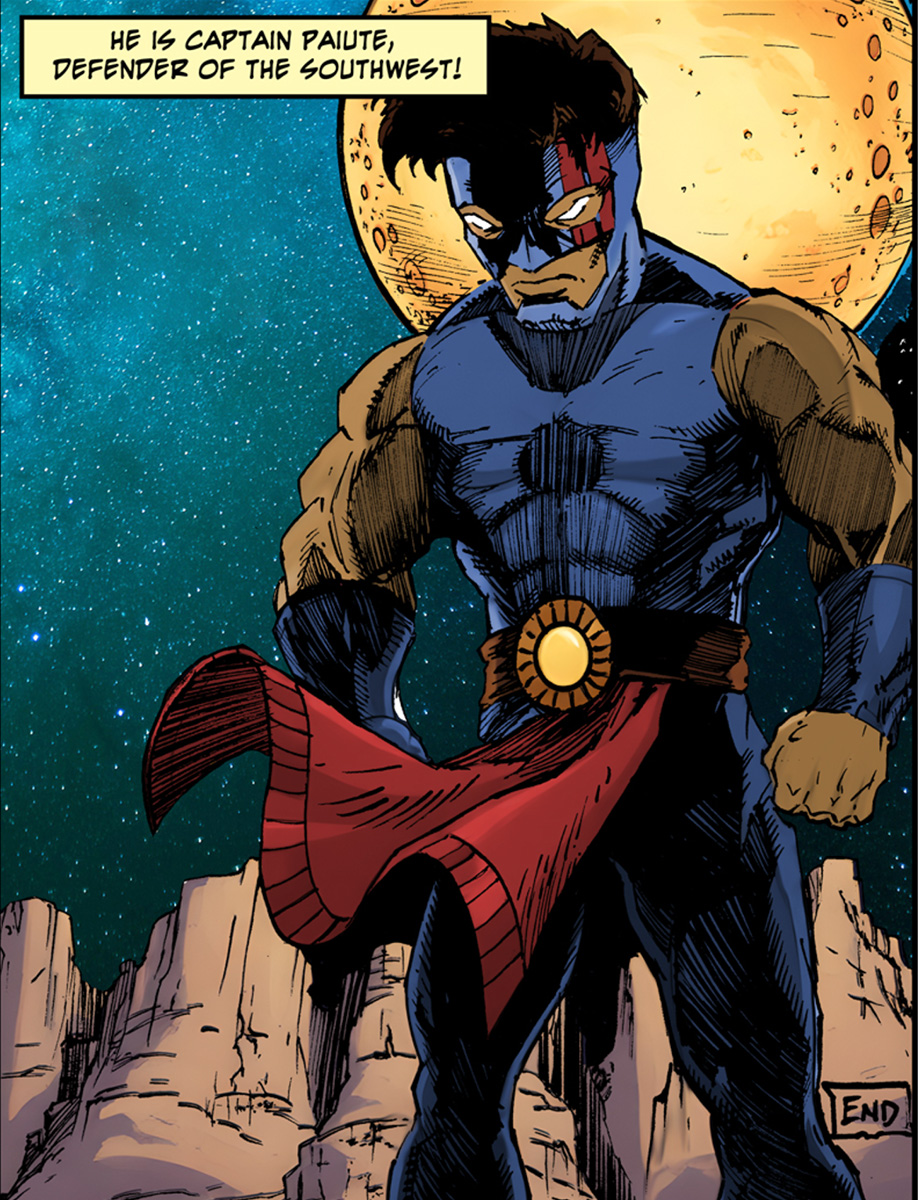
Water is precious in the Southwest — every drop counts. And for the Southern Paiute People, water is life and it must be protected. Protecting the lifeblood in the Las Vegas valley is a superhero called Captain Paiute, the Indigenous Defender of the Southwest. He’s the main character of the comic book series created by Las Vegas resident Theo Tso.
When Tso was a child, he found his father’s stash of comic books from the Vietnam War in an old shed. He was fascinated, but even in his youth, there was something he couldn’t overlook. As an enrolled member of the Las Vegas Paiute Tribe, he didn't see himself positively represented in those pages.
Before the modern era of comic books, which started in the '80s, many Indigenous characters were stereotypical representations. “If [Indigenous People were] in a comic, they were sidekicks or they were in the background or they were the wild savages, the Wild West,” Tso said.
It wasn’t until a friend handed Tso a new comic book with Indigenous characters on the cover, Tribal Force, that he finally saw himself reflected in the drawings. That was 1996.
“That book right there relit the fire of me doing what I wanted to do, because I didn't see any Native Americans that had their own titles,” he said.
It was then that Tso started developing elements of the character that would become Captain Paiute. Sitting in an art class at Rancho High School, Tso would draw superheroes with his classmates.
“The very first version was very Batman influenced. He had a big cape, big cowl on his head, big old feather coming out the back of his head. And he carried a tomahawk. Very stereotypical Native American," Tso said.
But then Tso found the power of “pah,” or water in Paiute, to make his Indigenous characters extremely powerful. He tried to pursue a career in comics, but grew frustrated with the mixed feedback he’d got from publishers. He eventually shelved the project for the better part of 15 years.
However, during that time, comic book publishers began to place greater emphasis on diversity and inclusion in their comics. Marvel Comics, in particular, pushed for not just diverse characters, but also diverse people behind the scenes.
That included other Native American characters like Daredevil’s Echo. She’s deaf and has Choctaw roots.
“It's important for kids to see themselves represented in comic books, it's also important for kids to see others represented in comic books,” said Ben Morse, a lecturer of journalism and media studies at the University of Nevada, Las Vegas. Before that, he worked at Marvel for roughly a decade.
Morse also grew up reading comic books. And in many ways, they were his first encounters with minority communities while growing up in his predominantly white suburban neighborhood.
“I think for a long time you had primarily white male storytellers," Morse said. "And it's those people trying to encapsulate a story that's not fully theirs. And there's nothing wrong with that. But I think you really need that first-person perspective.”
Telling stories from an Indigenous perspective is exactly what convinced Tso to pull Captain Paiute off the shelf in 2010. “I wanted something for our kids, our youth, the Native youth to look up to. There's a superhero who looks like me, lives on the reservation like I do, and actually knows what goes on here,” he said.
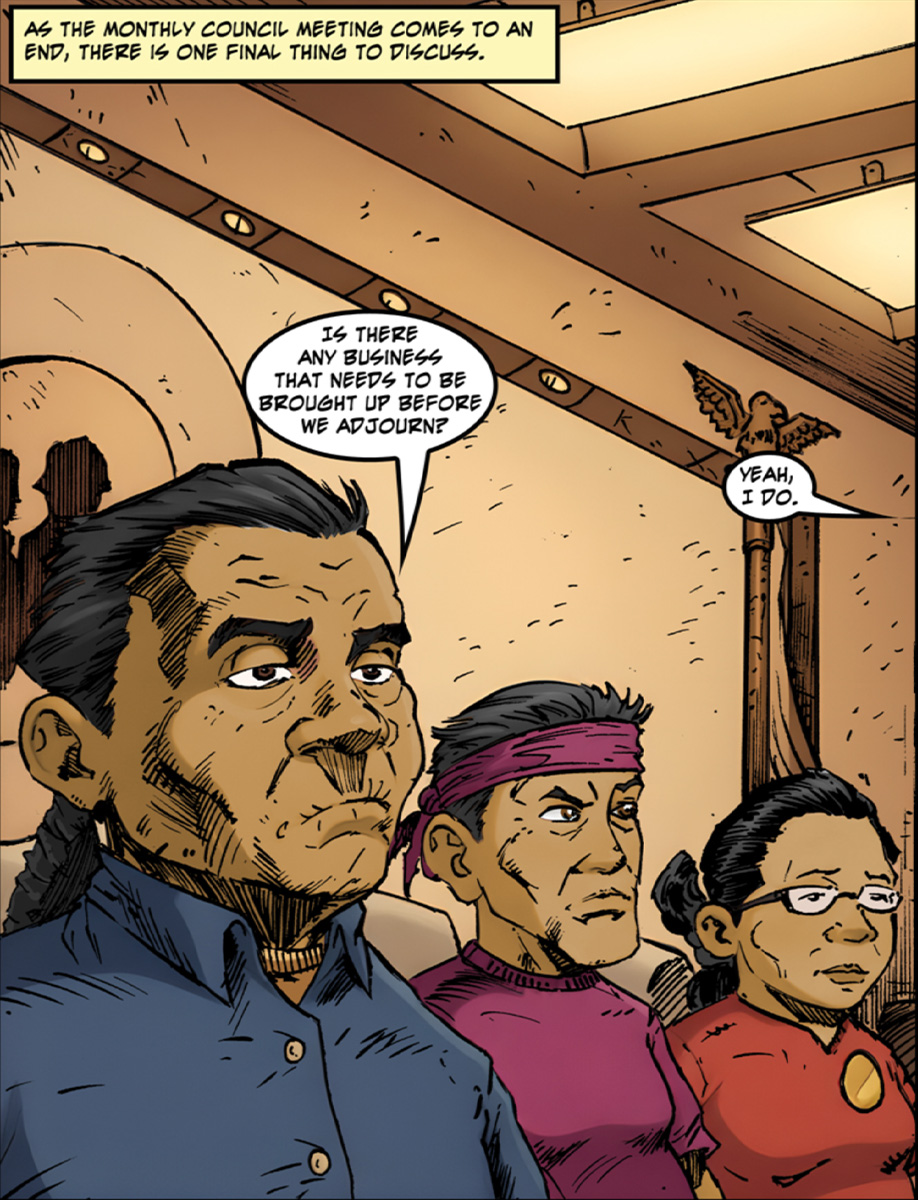
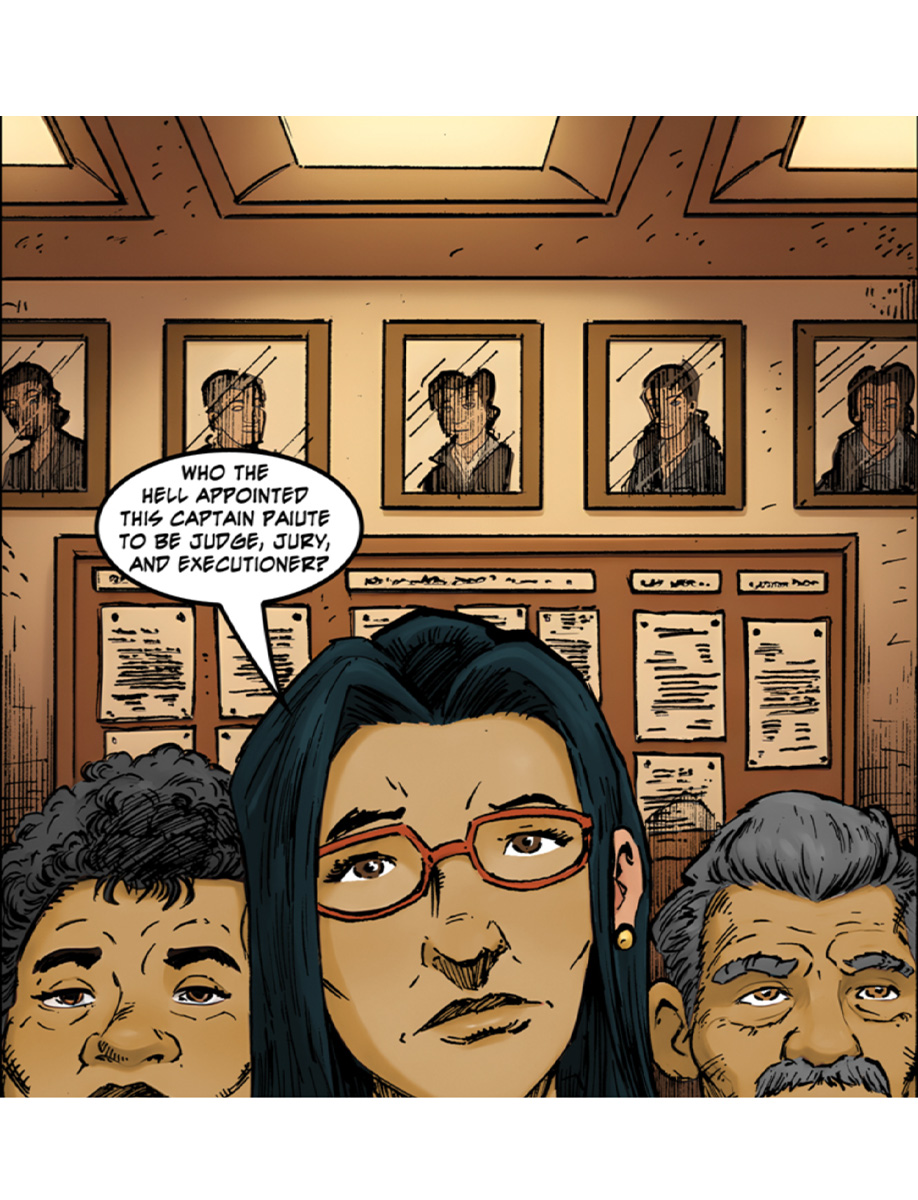
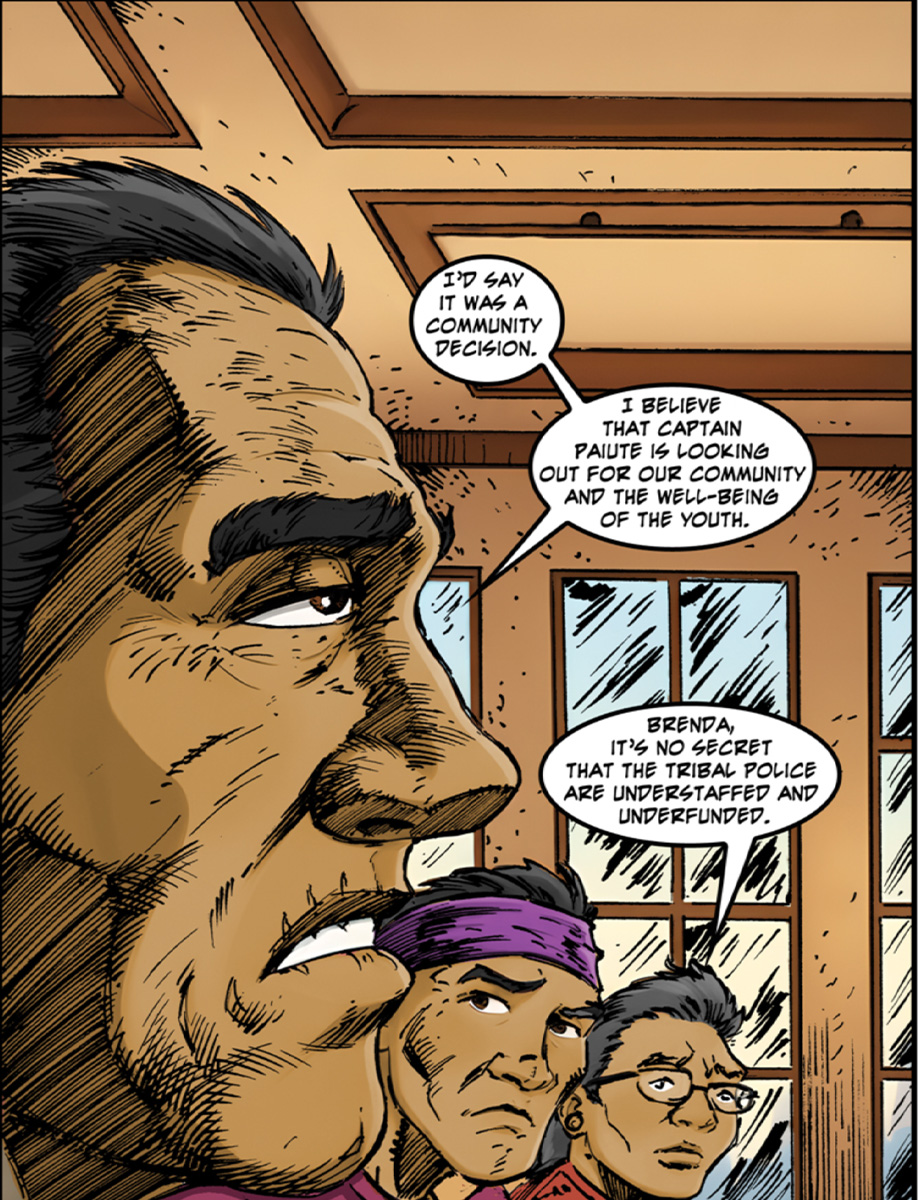
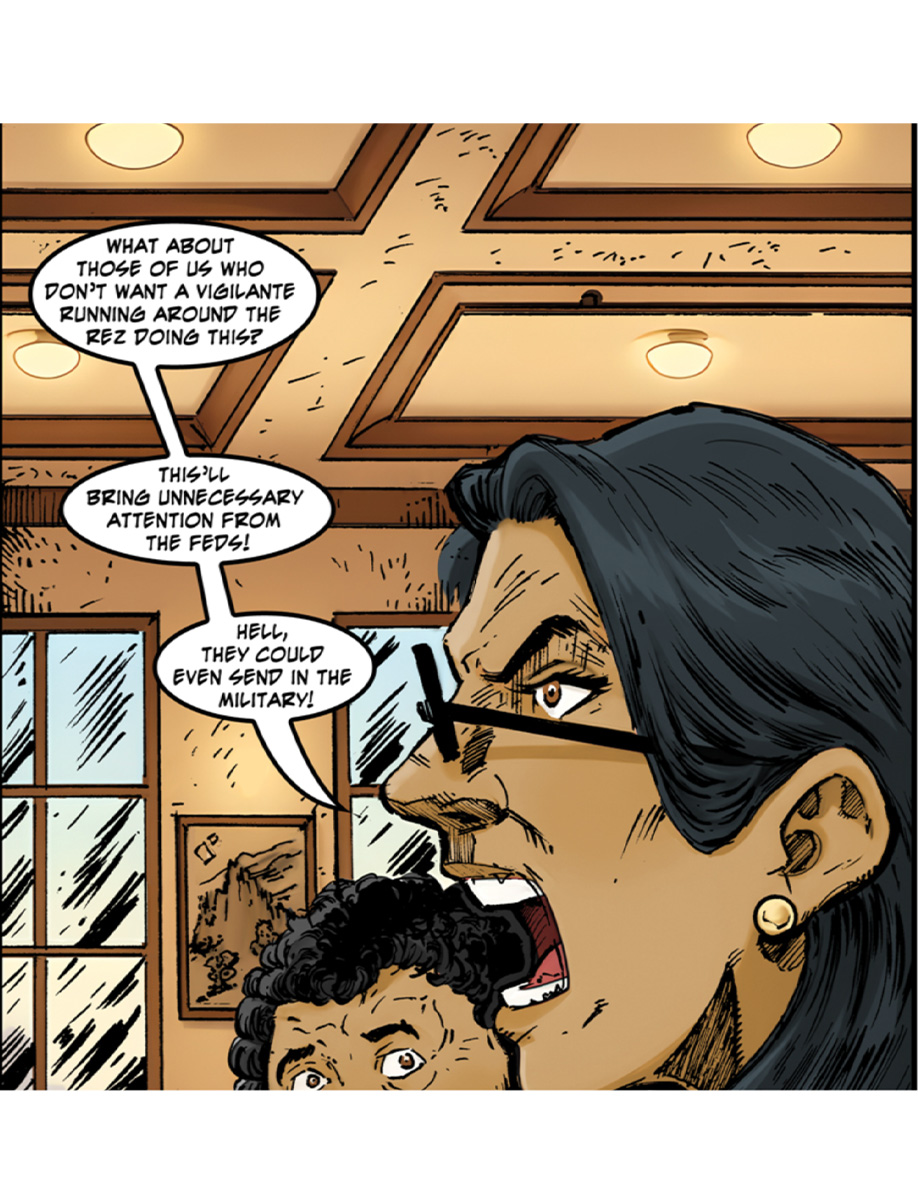
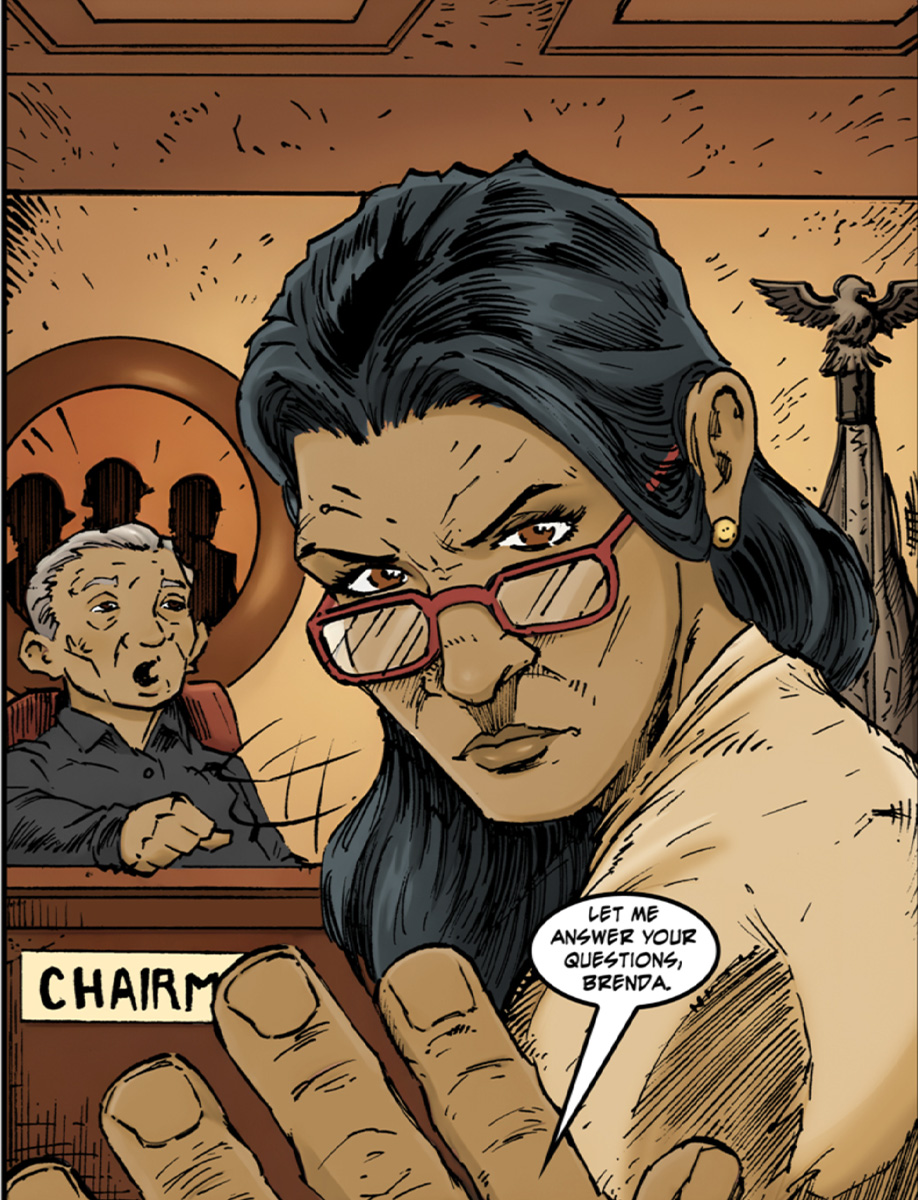
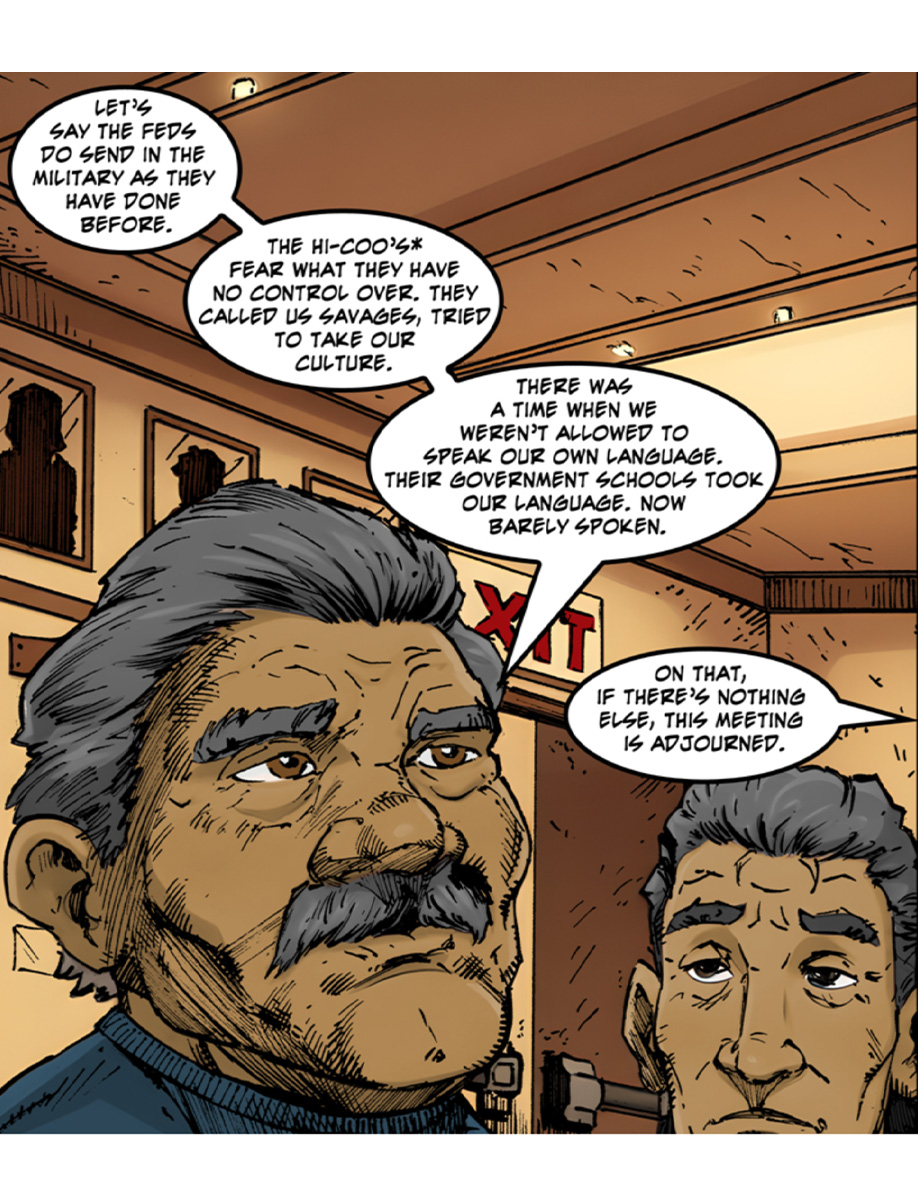
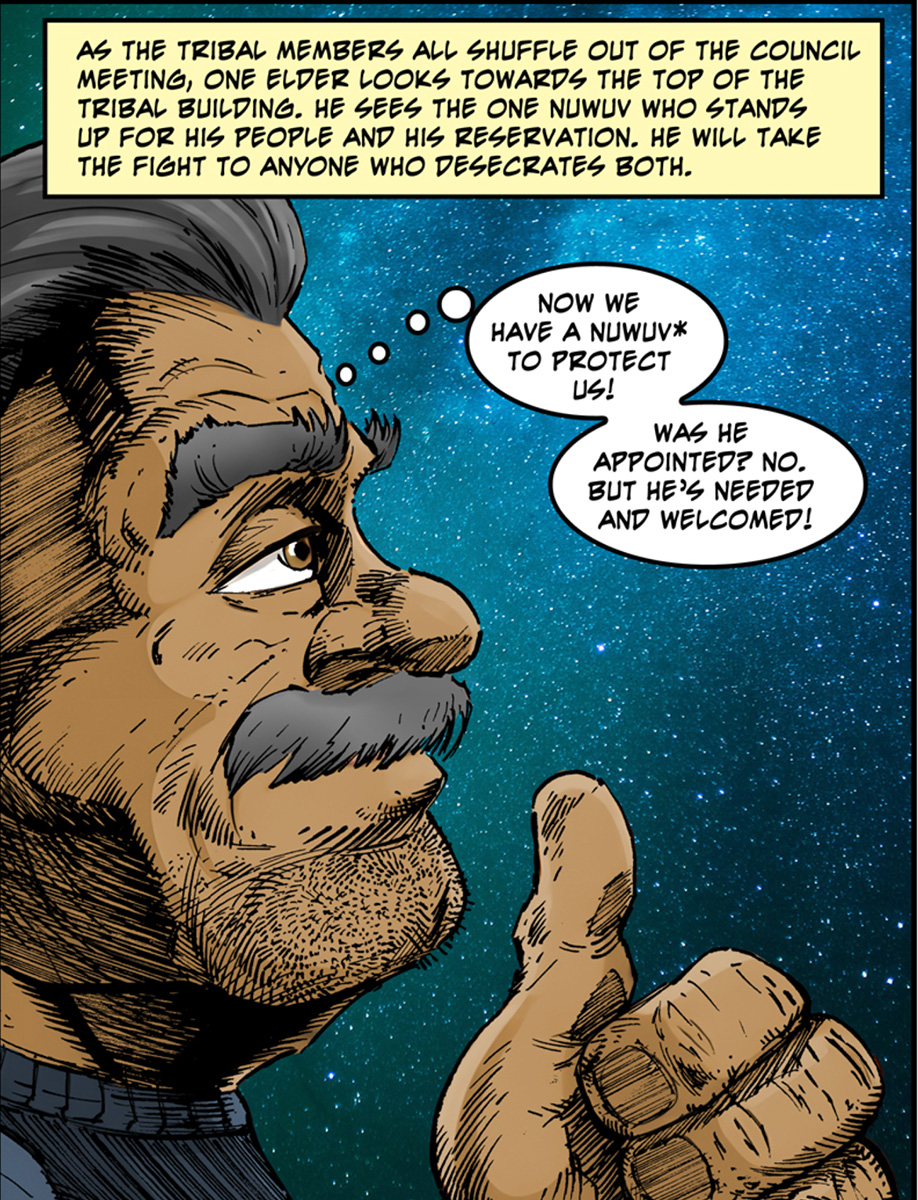
Captain Paiute grew up on Indian Country and works as a hydrologist at his tribe and visits other reservations. He also has the power to harness pah, Mother Earth's power, to fight villains, such as Bad Medicine, a witch doctor that comes from a fenced-off grave at the tribal cemetery.
So far, Tso has published several issues of his Captain Paiute comic book and distributed them throughout the Las Vegas Valley and at comic book conventions.
And when he hands them out, he sees Indigenous children get excited. “I get kids who are like, ‘Oh wow, this is cool looking, this is awesome,'" Tso said. "And for me, that's the ultimate kudos right there. That's the ultimate pat on the back.”
Tso hopes the ultimate takeaway is that Native Americans need to be their own storytellers, not Hollywood.